
Steyer versus Becerra: Two Different Visions for California Democrats

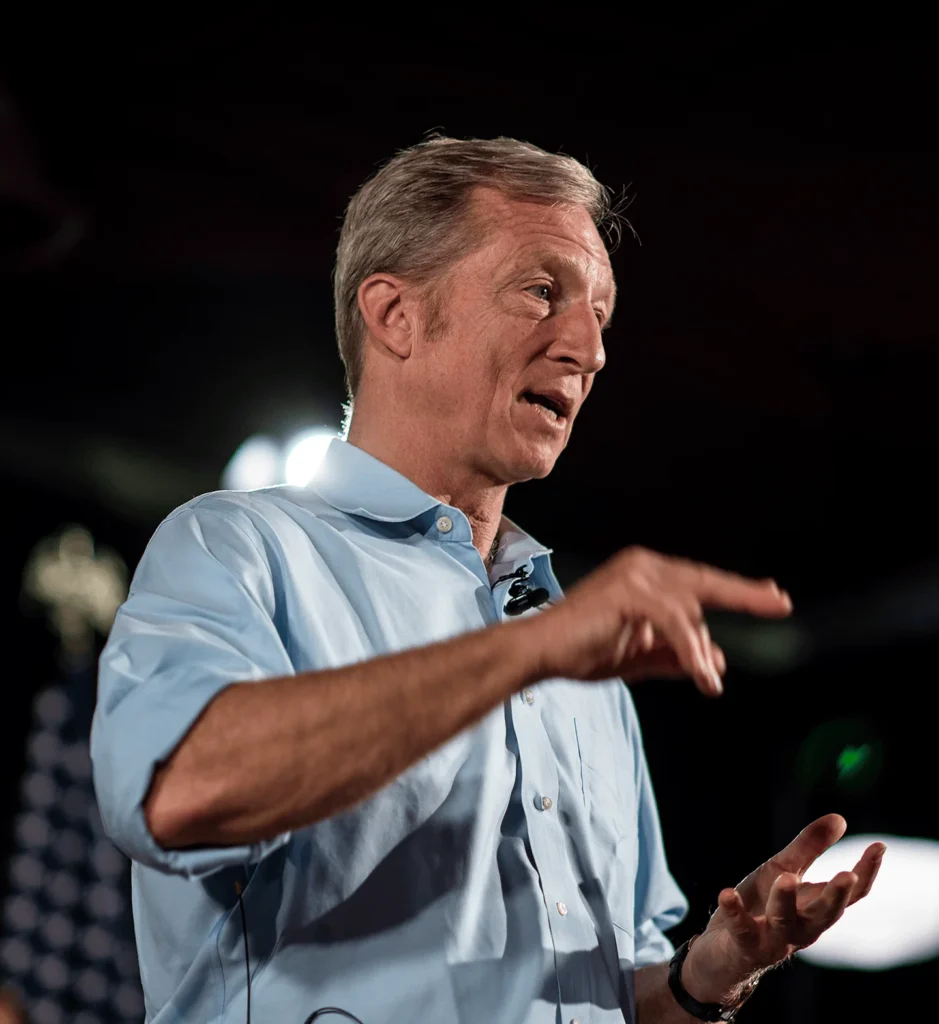
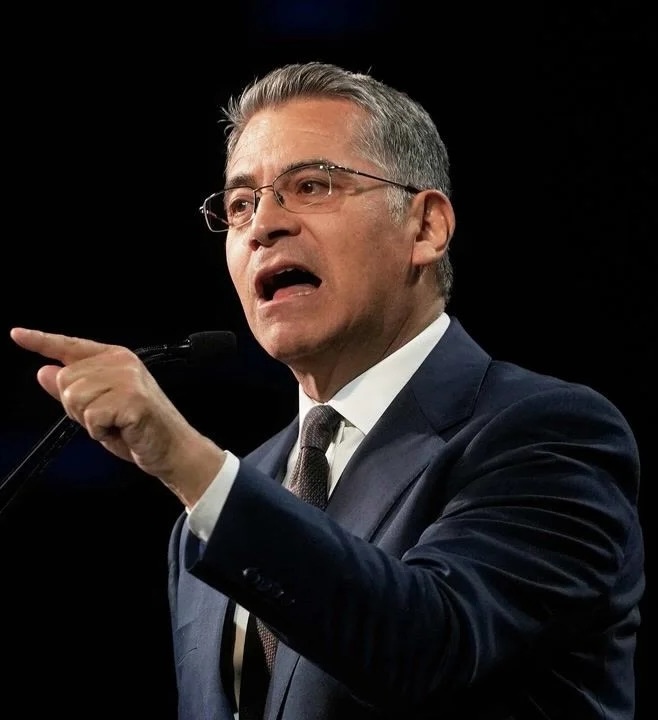
Tom Steyer and Xavier Becerra are both running from within California’s Democratic mainstream, but they represent meaningfully different governing instincts.
Becerra generally approaches problems as an institutional operator: pragmatic, coalition-oriented, legally grounded, and focused on implementation within California’s existing political structure. Steyer approaches many of the same issues more as a systems critic and economic reformer, emphasizing structural incentives, concentrated corporate power, aggressive public investment, and large-scale modernization.
The differences are often less about ultimate goals than about diagnosis, ambition, and governing philosophy. Below is a comparison of how both candidates frame some of California’s largest policy challenges. The themes are drawn from their own campaign websites.
Health Care
Becerra approaches healthcare primarily as a governance and implementation challenge. He supports expanding coverage and moving incrementally toward universal care while emphasizing affordability, medical debt reduction, and operational feasibility. His tone reflects someone deeply familiar with the fiscal and federal constraints surrounding single-payer healthcare.
Steyer frames healthcare more as a moral and economic justice issue centered on corporate power, insurer profits, and inequality. He aligns more directly with labor-progressive activists supporting CalCare (bill sponsored by our own Ash Kalra) and single payer, though his platform is less detailed about implementation mechanics and financing.
Take-away: Becerra sounds more operationally grounded and institutionally cautious. Steyer presents a more activist and ideologically ambitious healthcare vision focused on structural reform.
Housing
Becerra treats housing as a governance and affordability challenge, emphasizing permitting reform, increased construction, renter protections, and coordination across state and local governments.
Steyer frames housing as an emergency caused by decades of under-building and local obstruction. He advocates far more aggressive state intervention and large-scale construction targets, including building one million homes in four years. This compares to 3586 homes built in San Jose in 2022-2024 (Third largest city in the state).
Take-away: Both candidates are substantially more pro-housing than previous generations of California Democrats, but Steyer is notably more aggressive, abundance-oriented, and confrontational toward entrenched local resistance.
Affordability
Becerra approaches affordability through consumer protection, oversight, and incremental cost reduction across healthcare, childcare, housing, utilities, and groceries.
Steyer presents a much more developed economic critique focused especially on utility bills and gas prices. He argues California’s regulatory and financing systems create distorted incentives that drive excessive costs, and proposes structural reforms around utility regulation, infrastructure financing, grid modernization, and refinery pricing.
Take-away: On affordability, especially energy costs, Steyer currently offers the more detailed and analytically differentiated platform. Becerra’s approach is broader, more institutional, and less structurally ambitious.
Education
Becerra frames education as a core public-sector responsibility centered on equity, stability, access, and long-term institutional investment.
Steyer connects education more directly to economic mobility, workforce readiness, and California’s future economy, particularly in the context of technological and industrial transition.
Take-away: The differences here are narrower. Both remain within mainstream Democratic education politics, though Steyer’s framing is somewhat more future-oriented and economically integrated.
Taxes
Becerra speaks cautiously about taxation, emphasizing affordability relief, consumer protections, and maintaining public services without heavily foregrounding new tax structures.
Steyer treats taxes more explicitly as a tool for large-scale public investment and economic redistribution, particularly aimed at wealthy individuals and large corporations.
Take-away: Becerra approaches taxes like a fiscal steward. Steyer approaches taxation as part of a broader economic restructuring agenda tied to infrastructure, climate, and inequality.
Climate
Becerra approaches climate as a governing responsibility requiring balance between decarbonization, affordability, reliability, labor interests, and institutional coordination.
Steyer treats climate as the organizing framework for California’s future economy, connecting clean energy directly to affordability, infrastructure, industrial policy, and economic modernization.
Take-away: Steyer’s climate agenda is more transformational and systems-focused. Becerra’s is more coalition-oriented and operationally cautious.
Artificial Intelligence
Becerra approaches AI primarily as a regulatory and workforce challenge, emphasizing responsible innovation, worker protections, and maintaining California’s technology leadership.
Steyer frames AI more as a structural economic issue tied to labor displacement, concentrated tech power, and inequality, with greater emphasis on redistribution and proactive government intervention.
Take-away: Becerra focuses on balancing innovation and regulation. Steyer focuses on managing the economic disruption and concentration of power that AI could accelerate.
Care and Family Support
Becerra approaches childcare, elder care, and healthcare support primarily through expanding access and improving existing public systems.
Steyer treats caregiving as foundational economic infrastructure and ties care work directly to broader labor-market and demographic changes, including AI disruption and workforce transformation.
Take-away: Becerra focuses on strengthening existing safety nets. Steyer frames the “care economy” as a major future growth sector deserving much larger structural investment.
Non-Overlapping Priorities
Steyer’s platform includes unusually detailed attention to California’s film and entertainment industry, emphasizing economic competitiveness and preventing production flight. He also embraces more activist-oriented immigration rhetoric through his “Abolish ICE” framing.
Becerra’s unique emphasis is more institutional and legalistic. His “Fight Trump” platform highlights his record using litigation and executive authority to resist federal policies, while his homelessness agenda focuses heavily on governance coordination, treatment capacity, housing supply, and accountability.
Conclusion
After reviewing both platforms, I find myself more aligned with Tom Steyer’s candidacy. While Becerra presents himself as a highly experienced institutional leader with a pragmatic understanding of government, Steyer offers a more intellectually ambitious vision for California’s future. Across issues like affordability, energy, climate, housing, AI, and the care economy, Steyer consistently demonstrates a deeper willingness to question existing incentives, modernize outdated systems, and connect long-term economic transformation with everyday quality-of-life concerns. Whether or not every proposal is fully achievable, his campaign reflects a level of policy specificity, systems thinking, and future-oriented analysis that I currently find more compelling for the challenges California faces over the next decade.